"The Show Isn't Over! Click, Play, and Discover the Magic at Home."
"Designed for ages 4–7 to explore safely while you grab a 5-minute coffee break."
"Welcome to the Inner Circle. Whether you’re a student ready to learn or a parent who loved the show, you’re in the right place."
How To, Magic Video Vault
Learn Five Easy Magic Tricks for Kids This video covers a variety of foundational skills including vanishing objects, money magic, and basic levitation. It’s a great “all-in-one” resource for beginners. Brought To You By Master Magician Instructor: Wayne The Magician
7 Easy Magic Tricks with Household Items Perfect for homeschoolers, this tutorial uses simple items like drinking straws and coins to teach logic and sleight of hand. Brought To You By: Master Magician Wayne
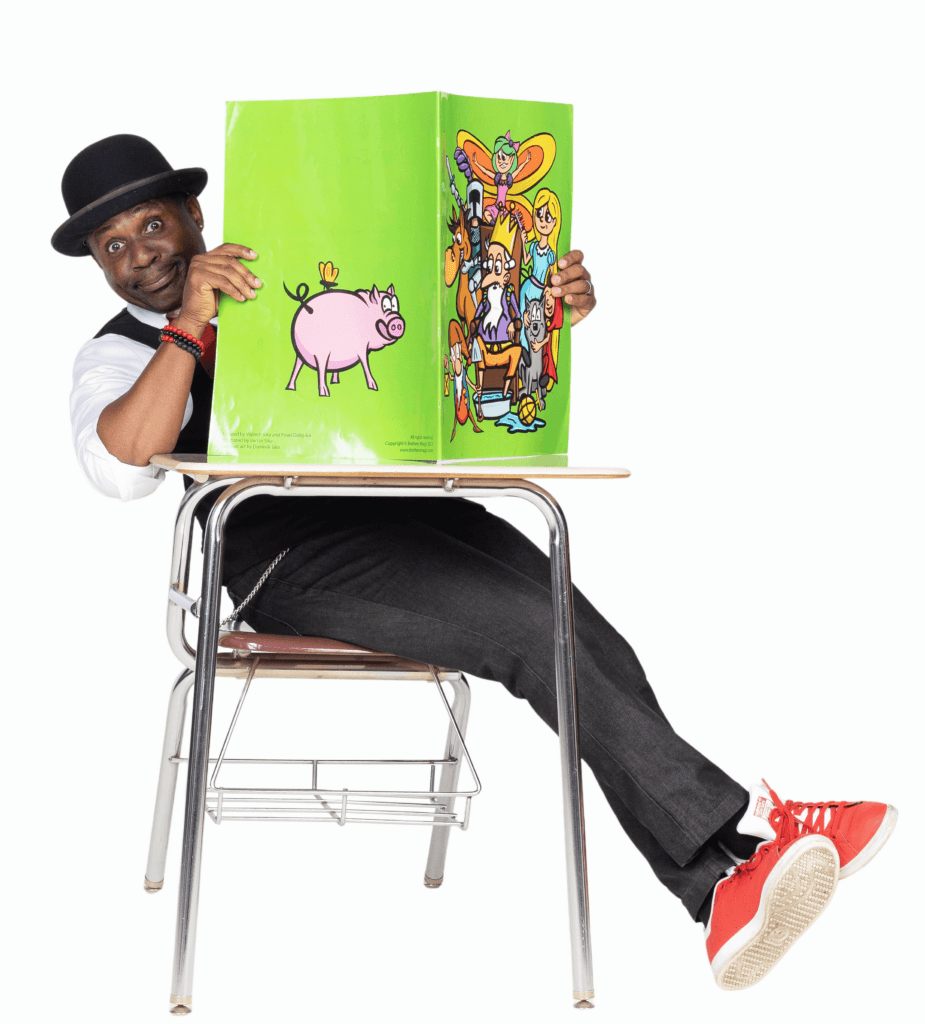
Top 5 Magic Books for Your Summer Reading List
For the "Little Apprentices" (Ages 5–7)
1. Milo’s Hat Trick by Jon Agee
The Vibe: A delightful picture book about a magician named Milo who struggles with his act until he finds a very talented bear.
Why Parents Love It: It’s a great “read-aloud” book that captures the whimsy of a live magic show and encourages kids to believe in themselves even when a “trick” goes wrong.
2. Magic Tricks for Kids by Phil Ackerly
The Vibe: A beginner-friendly guide with 25 simple tricks using household items.
Why Parents Love It: It features large illustrations and easy-to-follow steps, perfect for early readers who want to start doing magic immediately.
For the “Rising Stars” (Ages 8–10)
3. The Magic Misfits by Neil Patrick Harris
The Vibe: A fast-paced adventure novel about a group of street magicians who use their skills to save their town.
Why Parents Love It: It’s a great “bridge” book for independent readers. Hidden within the story are actual magic trick tutorials the reader can learn as they go!
4. Everyday Magic for Kids by Justin Flom
The Vibe: This book focuses on 30 tricks that can be done anywhere—at the dinner table, in the car, or at the park—using ordinary objects.
Why Parents Love It: It’s highly visual and modern, making it very appealing to kids who are used to watching magic on YouTube.
For the “Master Illusionists” (Ages 11+)
5. The Chronicles of Narnia: The Magician’s Nephew by C.S. Lewis
The Vibe: While it’s a fantasy novel rather than a “how-to” book, this prequel explores the very origins of magic and creation.
Why Parents Love It: It’s a classic that builds vocabulary and deep imagination. It’s a staple for any serious homeschool reading program.

Your Magic Journey Starts Here!
You’ve seen the show, you’ve felt the wonder—now it’s time to step behind the curtain. Whether you want to perform for your friends or dream of one day being on a stage of your own, these resources are your roadmap to becoming a true magician.
This is the single best step you can take. The Society of American Magicians Youth (S.A.M.Y.) is the official youth program of America’s oldest magic organization.
Why join? You’ll gain access to exclusive instructional videos, a youth newsletter, and a community of peers who love magic as much as you do. You can connect virtually or find a local chapter to share ideas and perform.
The Magician’s Pledge: When you join, you commit to being honest, fair, and helpful to other magicians. It’s about more than tricks—it’s about character and community.
Magic is a performing art, and the greatest secrets are hidden in books. These classics will give you a professional foundation:
For the Absolute Beginner: Mark Wilson’s Complete Course in Magic. This is widely considered the “Bible” for anyone starting out; it covers everything from card tricks to stage illusions.
- For Card Magic Enthusiasts: The Royal Road to Card Magic by Jean Hugard and Frederick Braué. If you want to master cards, start here. It’s a classic for a reason.
For Learning the “Why” of Magic: The Amateur Magician’s Handbook by Henry Hay. This book teaches you not just how to do a trick, but how to perform it so it looks like real magic.
A trick is only as good as the person performing it. To become a great entertainer, look beyond the mechanics:
Study Public Speaking & Theater: Magic is 10% movement and 90% communication. Taking a local theater or improv class will do more for your magic than learning ten new tricks ever could.
The “Showmanship” Rule: Don’t rush to perform for an audience. Practice until you can do the moves without thinking, then rehearse your “story” (your script) until it feels natural.
Find a Mentor: If you can, find an experienced magician in your area. Nothing beats having someone who can watch your performance and give you real-time feedback.

A Note for Parents
Encouraging your child to learn magic is more than just a hobby—it’s a powerful tool for development. Magic fosters hand-eye coordination, public speaking confidence, and reading comprehension as they study and learn from magic books. We hope these resources help your young magician grow!
EXCELLENTTrustindex verifies that the original source of the review is Google. Amazing show! I still don't know how he did the thing with the sock!?!?!Posted onTrustindex verifies that the original source of the review is Google. Jamal was amazing! He got the crowd to participate easily! Very good workPosted onTrustindex verifies that the original source of the review is Google. Jamal was amazing! 10/10 would recommend!!!Posted onTrustindex verifies that the original source of the review is Google. Jamal performed for a group of us adults and he was so fun and professional!!! Really enjoyed him!!Posted onTrustindex verifies that the original source of the review is Google. Very funny. He was super kind to my kids and they were MESMERIZED by his tricks.Posted onTrustindex verifies that the original source of the review is Google. Great experience keeping the crowd engaged and active. Was a great show that I really enjoyed.Posted onTrustindex verifies that the original source of the review is Google. Amazing jobPosted onTrustindex verifies that the original source of the review is Google. Such a funny show. The humor added to the magic show is awesome. Jamal is a must see.Posted onTrustindex verifies that the original source of the review is Google. Amazing job. It was so fun. He interacted with the audience and we had an amazing time!Posted onTrustindex verifies that the original source of the review is Google. The show was great! Kids were amazed at the tricks and I was left in awe, wondering how he did some of the things he did! 10/10 would definitely love to see him again.